The April Competency Wave: A Snapshot of Growth
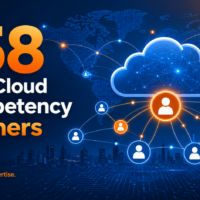
AWS announced that 158 partners earned new or renewed AWS Competency designations in April 2026. This isn’t just a milestone worth celebrating – it’s a signal about where the AWS Partner Network is heading, and what opportunities exist for organizations still working toward their own competency credentials.
If you’re a reseller, managed service provider, independent software vendor, system integrator, or consulting firm operating within the APN, understanding this expansion matters more than you might think. The competency program shapes how AWS positions partners to customers, influences partner visibility in AWS marketplaces, and directly impacts your ability to win deals.
Why Competencies Matter More Than Ever
The AWS Competency Program exists to validate that partners have genuine technical depth and proven customer success in specific domains. This isn’t just a badge for your website. When you hold a competency designation, you’re telling prospective customers – and AWS itself – that you’ve met rigorous standards:
- You’ve successfully deployed solutions in your specialty area
- Your team has demonstrated hands-on expertise
- Your customers have validated your work through reference-able success stories
- You’re committed to staying current with AWS innovations
With 158 partners achieving competency status in a single month, competition for visibility is intensifying. Partners who already hold competencies are seeing their investment validated through preferential positioning. Those still pursuing designations need to accelerate their timelines.
The Breadth of Specializations Matters
The April cohort earned designations across multiple competency categories. This diversity tells us several things. First, AWS customers are demanding specialized expertise across a widening range of workloads and industries. Second, partners are building depth in niche areas rather than trying to be everything to everyone. Third, there are still underserved specializations where early movers can establish competitive advantages.
If your firm operates in a vertical like financial services, healthcare, retail, or manufacturing, or if you specialize in workloads like data analytics, machine learning, or enterprise application modernization, the competency path becomes clearer. These are proven categories with growing customer demand.
What This Expansion Means for Your Go-to-Market Strategy
A larger competency partner base creates both pressure and opportunity. Here’s the practical reality:
For Resellers: Competency partners increasingly win significant deals because customers view them as safer bets. If you’re competing against a competency-designated firm, the customer often assumes that partner has deeper knowledge. This means resellers without competencies need to either pursue designations rapidly or partner with competency-holders who can amplify their reach. Some of the most successful reseller models now involve sub-partner relationships where one firm holds the competency while others distribute services under that umbrella.
For MSPs: The MSP Competency Program has become table stakes for many deal sizes. If you’re positioning managed services around AWS workloads, you need to evaluate whether pursuing MSP Competency status should be a priority. The April expansion suggests healthy demand across this category.
For ISVs: Software vendors face a slightly different calculus. The competency program validates that you understand AWS deeply and can integrate with it effectively. For ISVs targeting enterprise customers, this matters. For those selling through AWS Marketplace, competency status can influence discoverability and positioning. The newer Agentic AI categories being introduced suggest that ISVs building AI-powered tools should assess whether these emerging specializations align with their roadmaps.
For Consultants and System Integrators: Service partner competencies directly correlate with average contract value and customer willingness to pay premium rates. If you’re an independent consultant or a boutique SI firm, competency credentials often justify higher hourly rates or fixed-project pricing.
The Timing Question: Should You Apply Now?
The acceleration of competency awards suggests AWS is actively processing applications. This is a window. If you’ve been considering pursuing a competency but haven’t committed resources, the presence of 158 new partners should push this decision forward. Here’s why:
- Customer Awareness: As more partners achieve competency status, customer expectations rise. Being early in your category creates narrative advantages that early movers often retain.
- Reference Customers: AWS and partner ecosystems remember who was competency-designated first in their space. This matters for case study opportunities and co-marketing programs.
- Partner Programs and Incentives: Competency status often unlocks higher rebates, co-investment funding, and go-to-market support. The financial upside compounds over time.
Preparing Your Competency Application
If you’re ready to pursue a competency, understand what AWS is actually evaluating:
- Customer success stories with quantifiable outcomes
- Staff certifications aligned with your specialization
- Training programs showing ongoing team development
- Technical assessments demonstrating hands-on capability
- Customer references who can verify your work
The April cohort didn’t appear randomly. Each of these 158 partners built credible evidence across these dimensions. Start building your evidence trail now, even if you don’t apply immediately.
Looking Ahead
The trajectory is clear. AWS is scaling its partner ecosystem rapidly. The competency program is the primary mechanism for doing this at scale. Whether you’re already competency-designated or pursuing one, this moment requires intentional strategy.
Those who achieve competency status in the coming months will establish market positions that take years for competitors to replicate. The question for your organization is whether you’re building toward that distinction.